

Our Team

Aimee is a postdoctoral researcher in the McDevitt group at the Department for Microbiology and Immunology, University of Melbourne. She has a breadth of experience with bacterial pathogens, having completed her PhD on gene regulation in gastrointestinal pathogens, before moving to Griffith University in Queensland to study respiratory pathogens including N. meningitidis and M. catarrhalis with Professor Kate Seib. Currently her work focuses on metal homeostasis and how it impacts the virulence of S. pneumoniae and K. pneumoniae. Aimee is a keen microbiologist with interests in how bacteria regulate virulence, and how specific virulence determinants can mediate the development of pathogenesis. She hopes that these studies will assist with the discovery and development of interventions to tackle infectious disease in an age of increasing antimicrobial resistance. Aimee is a past Garnett Passe and Rodney Williams research training fellow, and has been a member of ASM since 2007.
Dr Aimee Tan
Organisation: Doherty Institute, University of Melbourne
Portfolio: Chair
Email: aitan@unimelb.edu.au
Twitter:

Dr Harshini Weerasinghe is a Postdoctoral Scientist working in the fungal infection and medical mycology laboratory of Prof. Ana Traven at the Biomedicine Discovery Institute of Monash University. Harshini is a fungal geneticist with interests in the genetic and genomic aspects of pathogenic fungi and how they relate to establishment of infection. She completed her PhD at the University of Melbourne, investigating the transcriptional dynamics that occur during pathogenic fungi and immune system macrophage interactions. In her current position, she is studying the role of metabolic changes in immune cells and hospital acquired infectious Candida species, that drive host-fungal interactions.
Dr Harshini Weerasinghe
Organisation: Biomedicine Discovery Institute, Monash University
Portfolio: Deputy Treasurer; Inclusion & Engagement
Email: harshini.weerasinghe@monash.edu
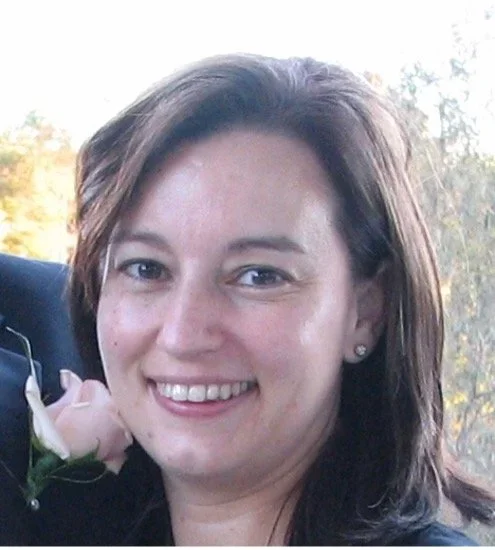
I work in the Microbiology Department at Monash Health in Clayton as a Medical Scientist. I obtained my Bachelor Degree from RMIT with Majors in Haematology and Blood Banking, however my true calling was in microbiology, and have worked in the industry for over 28 years. My Masters Degree is also from RMIT in the field of microbiology.
Sara Sujansky
Organisation: Monash Health
Working Group: Medical Microbiology
Email: sara.sujansky@monashhealth.org

Abigail is a 3rd year PhD student in the McDevitt lab at the Doherty Institute. Her research investigates the molecular basis of copper tolerance in K. pneumoniae and how copper toxicity impacts K. pneumoniae virulence. She completed her Bachelor of Biomedicine and Honours at the University of Melbourne.
Abigail Hartono
Organisation: Doherty Institute, University of Melbourne
Email: ahartono@student.unimelb.edu.au
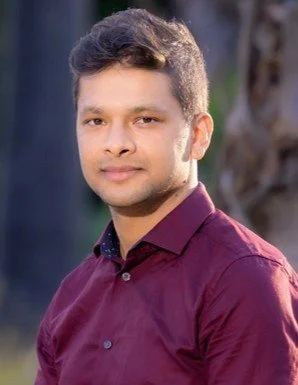
I am a final-year PhD candidate in the School of Biosciences at RMIT University, under the supervision of A/P Taghrid. My research focuses on the virulence and survival mechanisms of the human oral pathobiont Campylobacter concisus, with particular interest in chemotaxis and the genetic pathways that underlie its adaptation and persistence. Using molecular microbiology, bacterial genomics, and mutagenesis approaches, I aim to advance our understanding of its role in gastrointestinal health and disease.
Beyond research, I am passionate about scientific leadership, mentorship, and community engagement. I serve as a representative for Higher Degree by Research (HDR) Biotechnology candidates and as Vice-President of the RMIT HDR Club, supporting researcher wellbeing, professional development, and collaboration.
Pradip Sedhai
Organisation: The Royal Melbourne Institute of Technology
Email: pradip.sedhai@rmit.edu.au

I am a postdoctoral scientist with the Dept. of Microbiology & Immunology at the University of Melbourne, based at the Doherty Institute for Infection & Immunity. My primary research interests are in microbial genomics, specifically its application to understanding the emergence and development of antimicrobial resistant bacteria. I am also involved with regional support programs, managed through the Doherty Institute, that work with a number of low & middle income countries providing mentoring and assistance to increase lab capacity for antimicrobial resistance detection and surveillance.
Dr Sarah Baines
Organisation: Doherty Institute, University of Melbourne
Portfolio: Deputy Chair
Email: bainess@unimelb.edu.au
Twitter: @sarahlbaines1
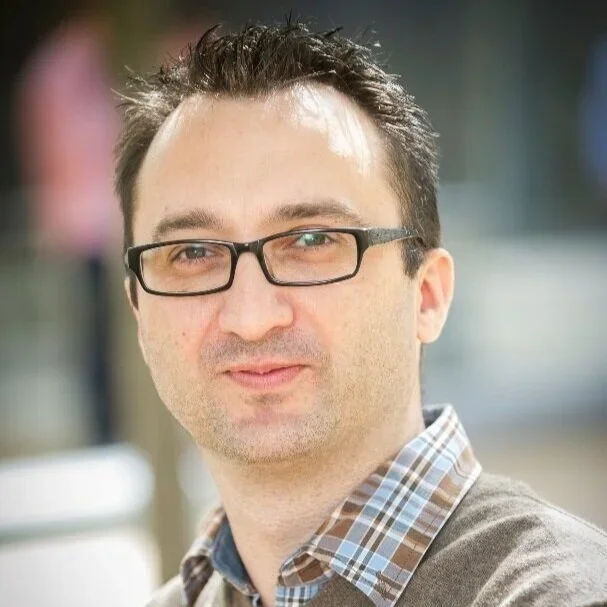
I am a Senior Lecturer in the Department of Physiology, Anatomy and Microbiology at La Trobe University. I currently teach microbial genetics to second and third year students majoring in microbiology. My research interest is in mobile genetic elements that include transposons, plasmids and bacteriophages. Currently we have active projects in understanding the mechanism of transposition of elements that belong to the Tn5053/Tn402 family and their interaction with broad host range plasmids. These elements are thought to contribute to the dissemination of antimicrobial resistance among gram-negative bacteria. Another active project is the isolation and characterisation of bacteriophages that infect bacteria in the clinical and environmental settings and ways in which they can be used or manipulated in phage therapy. I joined the ASM Vic branch committee in 2018 and am the working group leader of the “One Health” sub-committee.
A/Prof Steve Petrovski
Organisation: La Trobe University
Portfolio: Outgoing Chair
Email: steve.petrovski@latrobe.edu.au
Twitter: @PetrovskiLab
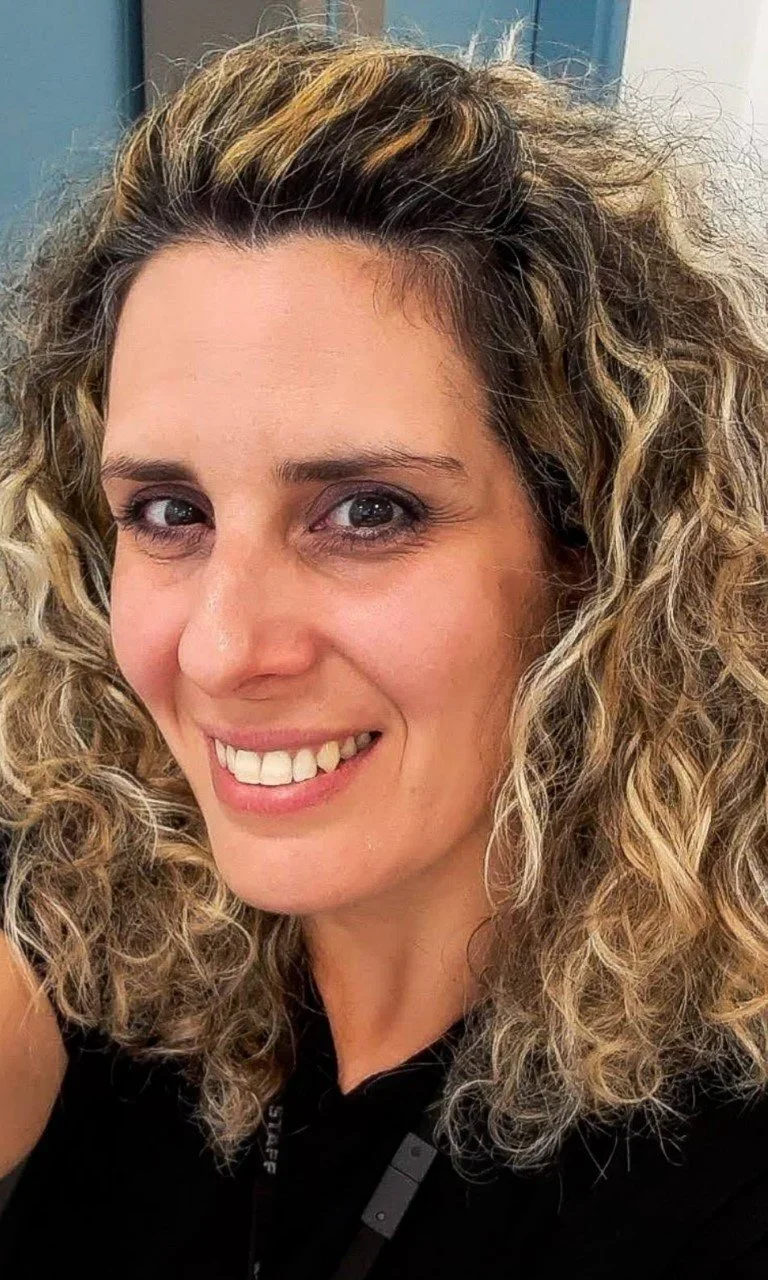
Eliza is a microbiologist, and early-mid career researcher, with a strong and growing profile in the Streptococcus pneumoniae research and observational microbiological (community-based) fields. Previously, she led the microbiology team of the Experimental Human Pneumococcal Challenge infection program at Liverpool School of Tropical Medicine in the UK. She has been a Senior Research Officer in the Translational Microbiology group at the Murdoch Children’s Research Institute since November 2021, where she is leading a multicenter study in Asia to improve diagnosis of complicated pneumonia in children. She has a strong interest in how vaccines affect nasal carriage and transmission of potentially pathogenic bacterial populations that naturally inhabit the human host. In the future, she hopes to optimize non-invasive sampling methodologies in adults and children to improve Streptococcus pneumoniae surveillance, with a long-term goal to expand this research to investigate the respiratory microbiome. Her research is supported by national and international funders, and she has received major awards including the prestigious Robert Austrian Research Award in 2022.
Dr Eliza Nikolaou
Organisation: Murdoch Children’s Research Institute
Portfolio: Events
Email: eliza.nikolaou@mcri.edu.au
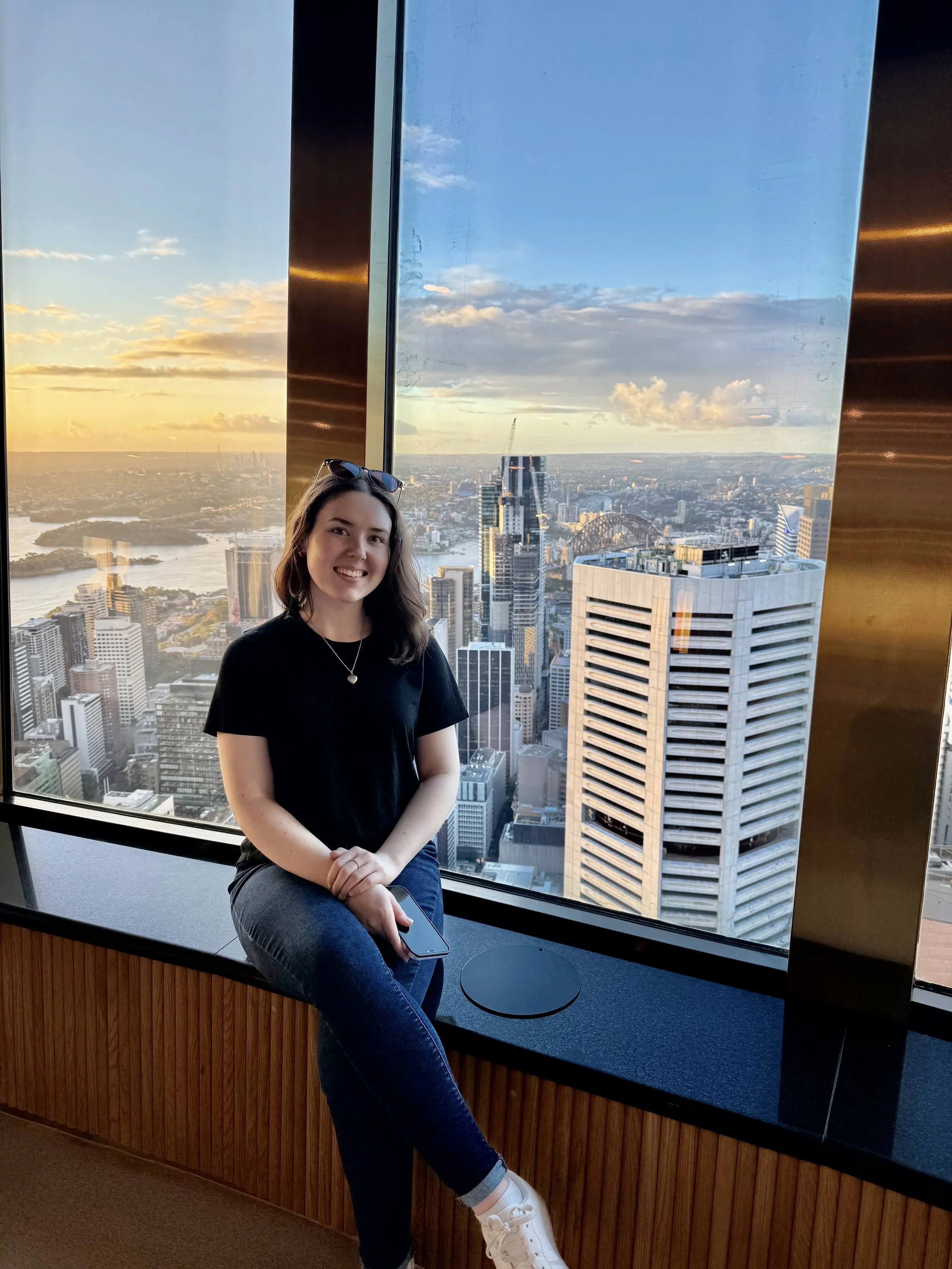
Georgie is a third-year PhD candidate in the Lyras Laboratory within the Department of Microbiology at the Monash Biomedicine Discovery Institute. She previously completed a Bachelor of Science majoring in Microbiology and Biochemistry, followed by a Master of Biomedical and Health Science at Monash University. Her PhD research focuses on understanding how antibiotic exposure modulates virulence and sporulation in Clostridioides difficile.
Alongside her research, Georgie is passionate about building welcoming and collaborative research communities and supporting STEM outreach. She previously served as an ASM Communications Ambassador and was co-president of the Monash University Microbiology Postgraduate Society (MUMPS) in 2025. She is currently co-president of the Monash Centre to Impact AMR Future Leaders Committee, and Chair of the ASM National Student Network.
Georgie Gilmore
Organisation: Monash University
Email: georgia-rose.gilmore@monash.edu

Dr Celeste Donato is the Enteric Virus Team Leader within the Enteric Diseases Research Group at the Murdoch Children's Research Institute, and a Senior Research Fellow within the Centre for Pathogen Genomics at the Peter Doherty Institute for Infection and Immunity, University of Melbourne. She also holds appointments in the Department of Paediatrics at the University of Melbourne and the Department of Livestock and One Health at the University of Liverpool. A virologist by training, Celeste's research focuses on the application of pathogen genomics in public health and surveillance. She is an internationally recognised expert in rotavirus genomics and evolution, with a leading role in national and international rotavirus surveillance, and serves as One Health co-lead for the Centre for Pathogen Genomics Research Strategy. She is actively involved in genomics training programs across Southeast Asia and Africa.
Dr Celeste Donato
Organisation: Murdoch Children’s Research Institute
Email: celeste.donato@mcri.edu.au
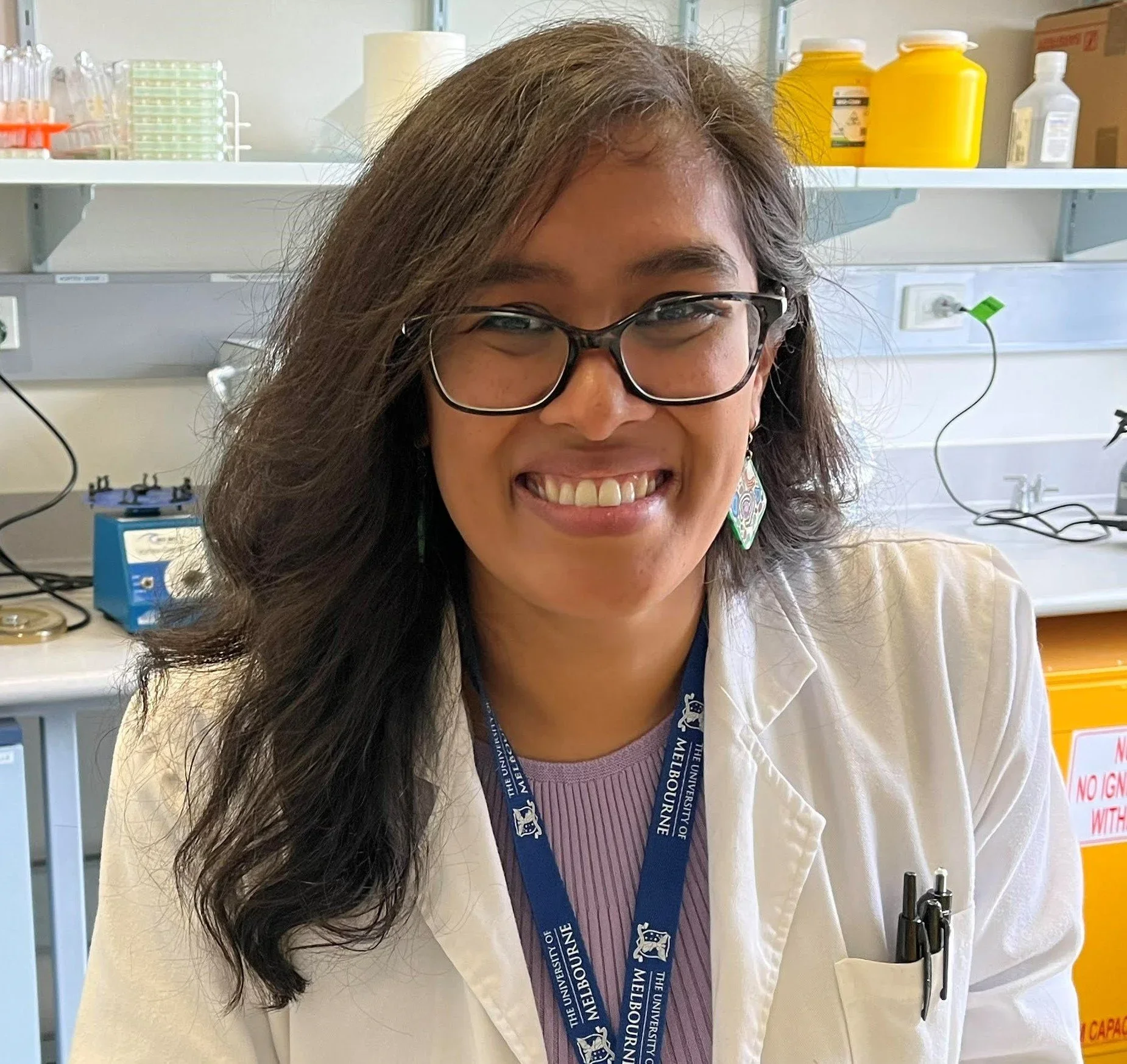
Zahra is a postdoctoral research fellow focusing on plant-soil microbiome interactions within the ARC Research Hub for Smart Fertilisers at the University of Melbourne. She has extensive experience in the field of environmental microbiology, having worked on marine sponge-bacteria and plant-bacteria symbiotic interactions, before completing her PhD at Monash University under Professor Chris Greening on how bacteria from diverse ecosystems can survive and sometimes even grow on atmospheric trace gases! She then spent a year working as a teaching technical officer in Clinical Biology at RMIT before jumping back into academia in 2022. She has been a member of ASM since 2015, when her 3rd year internship supervisor took her along to a NSW branch event, and is looking forward to running all sorts of events as part of the Vic branch exec committee.
Dr Zahra Islam
Organisation: University of Melbourne
Portfolio: Secretary; Inclusion & Engagement (Lead)
Email: zahra.islam@unimelb.edu.au
Twitter: @Zahra_F_Islam

Andrew holds an academics position at the Gippsland campus of Federation University Australia. He obtained his undergraduate degree from the University of Tasmania a long time ago, then moved to James Cook University in Townsville. Andrew held a variety of roles at JCU, and also completed a PhD. Soon after completion of his PhD he moved to regional Papua New Guinea, working at the PNG Institute of Medical Research for 4 very enjoyable years. Here Andrew established research in gastrointestinal pathogens such as Vibrio cholerae and Salmonella Typhi, while also contributing to a well-established respiratory pathogen research program. In his current role Andrew continues to work primarily on gastrointestinal pathogens, but as a generalist he finds himself contributing to a variety of projects. His teaching commitments are similarly broad, contributing to introductory microbiology, food microbiology, clinical microbiology and brewing. Andrew is pictured here in front of his fermentation vessel in his shed, where he practises (and practices) his applied microbiology.
A/Prof Andrew Greenhill
Organisation: Federation University
Portfolio: Inclusion & Engagement
Email: andrew.greenhill@federation.edu.au
Twitter: @Greena_01

Senaka Ranadheera is a food microbiologist and leads the Probiotic Foods & Gut Health lab at the University of Melbourne
Dr Senaka Ranadheera
Organisation: The University of Melbourne
Email: senaka.ranadheera@unimelb.edu.au
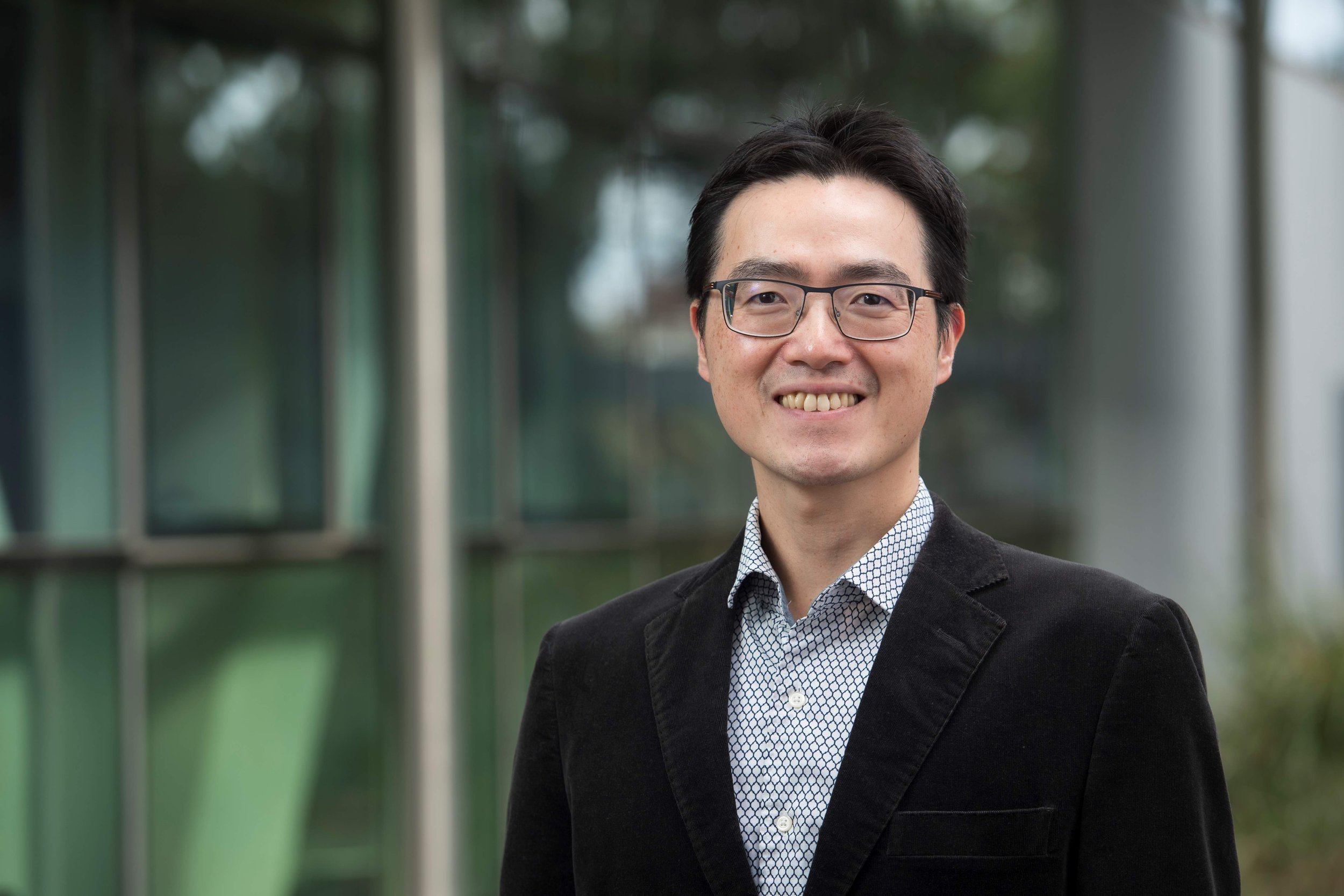
Jhih-Hang is a postdoctoral researcher in the Peleg Lab at the Department of Microbiology and the Department of Infectious Diseases, Monash University. He was trained as a biochemist with specific interests in human bacterial pathogens, having completed his PhD on manipulations of host cell death by neisserial proteins at the Department of Microbiology and Immunology at the University of Melbourne. Currently he leads the Translational Staphylococcal Research Program within the Peleg Lab. His research focuses on the interface between antibiotic resistance and bacterial pathogenesis in Staphylococcus aureus and Coagulase-negative staphylococci. He has a wealth of expertise in the biochemical, lipidomic and genetic manipulation approaches, as well as the in vivo models. By gaining insights into the mechanisms behind antibiotic resistance and host immune evasion, he hopes to develop innovative therapeutic strategies to treat multi-drug resistant S. aureus infections.
Dr Jhih-Hang Jiang
Organisation: Monash University
Email: jhih-hang.jiang@monash.edu
Sarah A. Revitt-Mills is a Research Fellow in the Department of Microbiology, Monash University. She completed her PhD in 2019 focused on the conjugative plasmids of Clostridium perfringens. Her previous post-doctoral work, in Dr. Andrew Robinson’s lab (University of Wollongong, NSW) used advanced single-molecule imaging techniques and experimental evolution to establish how bacterial DNA repair can play a role in the development of antibiotic resistance. Currently, Sarah is in Prof. Dena Lyras' lab at Monash University, examining mechanisms of antimicrobial resistance, pathogenesis and plasmid maintenance in the Clostridia.
Sarah is passionate about science communication, particularly though art, and enjoys making short, animated drawings of microbes. She was a past ASM Communications Ambassador and leads the ASM VicBranch and Monash BDI ECR newsletters.
Dr Sarah Revitt-Mills
Organisation: Monash University
Portfolio: Communications - Newsletter
Email: sarah.revitt-mills@monash.edu
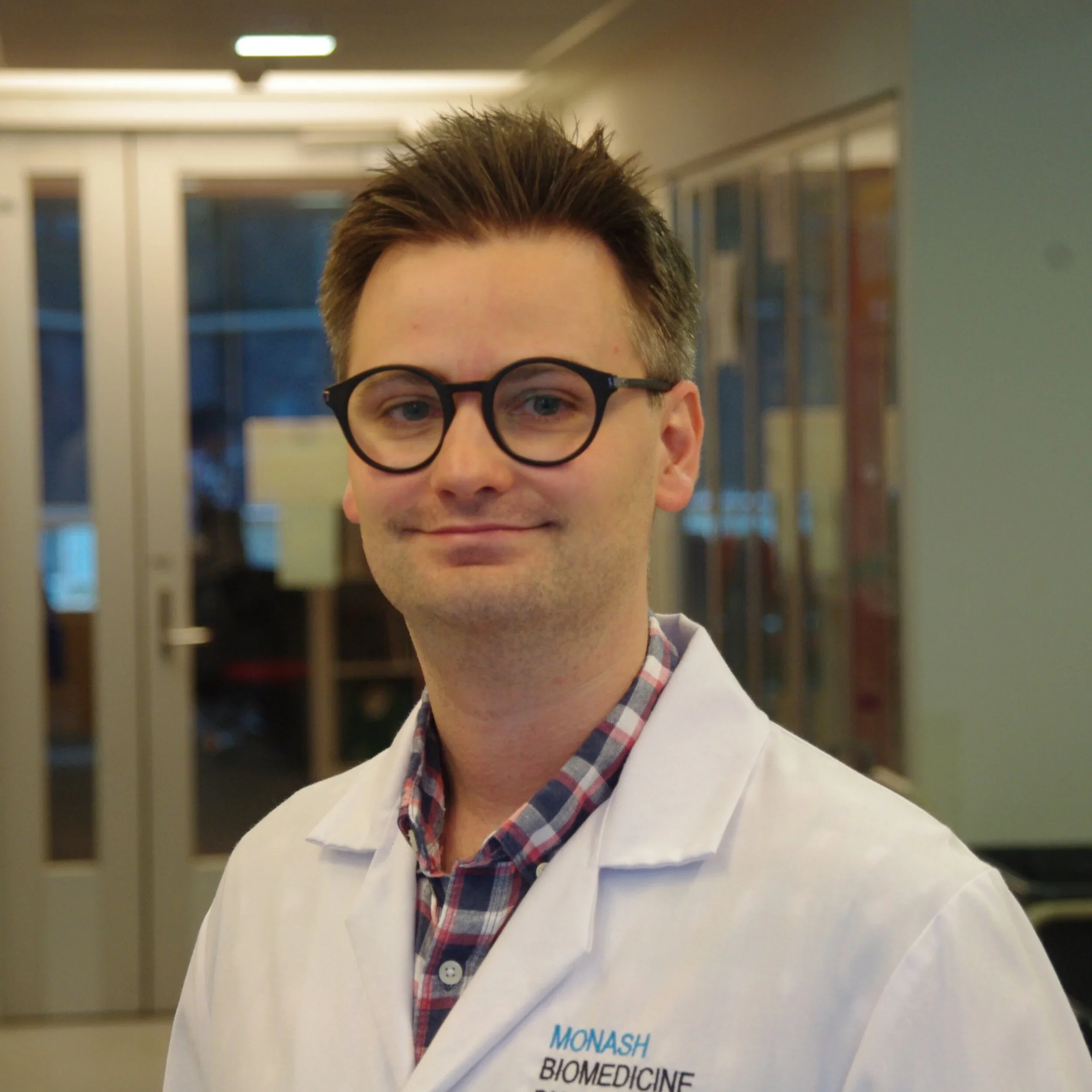
I am an Early Career Researcher in the Lithgow Laboratory at Monash University, which is part of the Infection and Immunity Program in the Biomedicine Discovery Institute. My fascination with Microbiology started way back in high school when we were allowed to take a swab of anything in the school and attempt to incubate it on an agar plate: naturally, I chose the school canteen and boy was it disgusting... it didn’t stop me from going to the canteen though. I received first class Honours from Professor Julian Rood’s laboratory characterising regulatory genes from conjugative plasmids of Clostridium perfringens. I also received the 2017 CSL Prize as the top completing Microbiology PhD student for my work in Professor Trevor Lithgow’s laboratory, where I developed a radiolabelling pulse chase assay to determine the precise mechanistic details surrounding outer membrane protein biogenesis in the model bacterium Escherichia coli. My current work focuses on protein assembly mechanisms and antimicrobial resistance pathways.
Dr Chris Stubenrauch
Organisation: Biomedicine Discovery Institute, Monash University
Portfolio: Treasurer
Email: christopher.stubenrauch@monash.edu
Twitter: @ChrisTheMicrobe
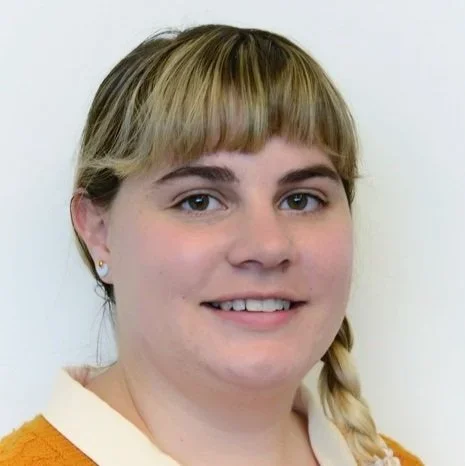
Jane is a postdoctoral research fellow within the Department of Infectious Diseases at Monash University. Her research focuses on the evolution and transmission of antimicrobial resistant bacterial pathogens, in particular the mobile genetic elements that are shared between bacterial species. Jane is currently developing new methods to track the dissemination of mobile elements using long-read sequencing that could be used to inform infection prevention and control. She has always been fascinated by evolutionary processes, and when Jane discovered during Honours that she could also apply her love of programming and computers to understanding bacterial evolution, there was no turning back! She was particularly drawn to the early bacterial genomic studies that examined how different bacterial diseases have evolved through time and how this related to human history.
Dr Jane Hawkey
Organisation: Monash University
Portfolio: Communications - newsletter
Email: jane.hawkey@monash.edu
Twitter: @yekwah
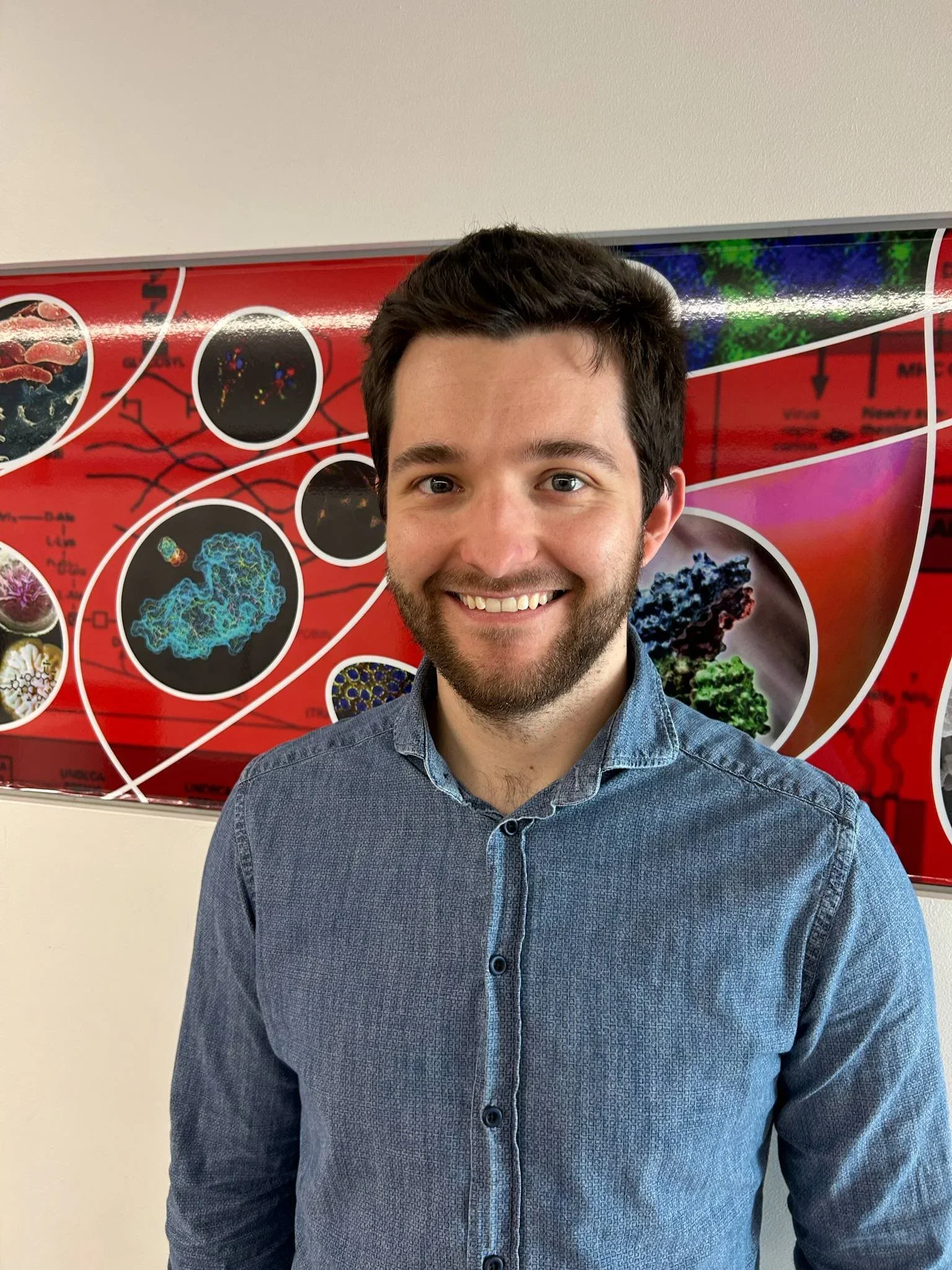
Alex is currently a 3rd year PhD Student at Monash University, in the Lithgow lab in the Department of Microbiology. He previously completed his Bachelor of Science majoring in Microbiology at Melbourne University, followed by a Masters of Biomedical and Health Sciences at Monash University, where he undertook research into generating effective T cell immunity to Influenza through NKT cells. He subsequently spent 2 years in the Biotech space, working in the Process Development team, where he was involved in generating samples for the first-in-human clinical trial utilizing exosomes for wound-healing. His current work revolves around the study of environmental Klebsiella and Klebsiella bacteriophages, examining aspects such as their diversity and how they interact.
Alex Hall
Organisation: Monash University
Email: alex.hall@monash.edu
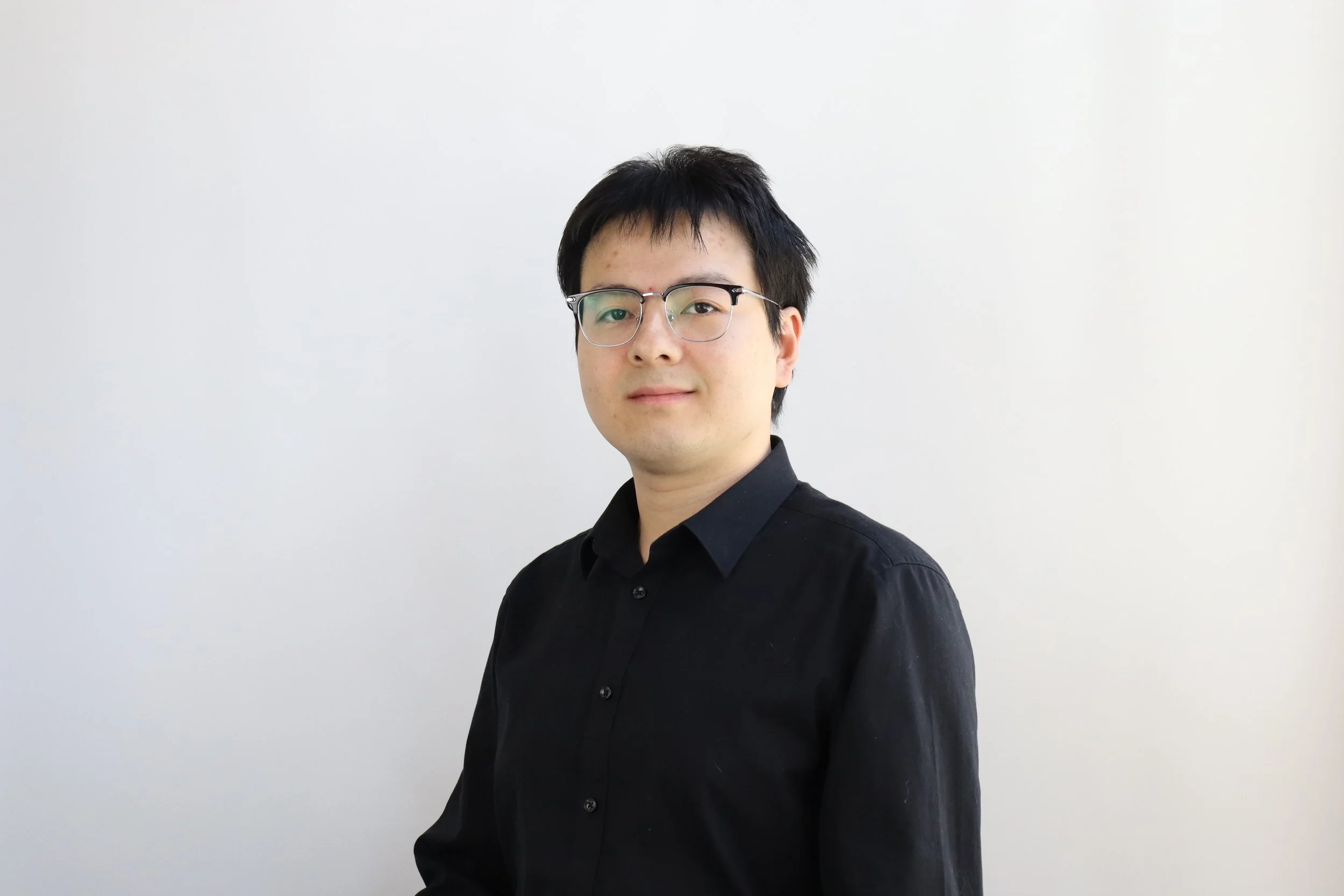
Hanwen Hou conducted PhD research at the Murdoch Children’s Research Institute and The University of Melbourne, focusing on respiratory host-pathogen interactions, particularly pneumococcal-viral co-infection, combining epidemiology, immunology, microbiology, animal models, and bioinformatics approaches. He has experience across both laboratory and computational research, including infection models, transcriptomics, bacterial genomics, and data analysis. He is particularly interested in co-infection biology and the mechanisms underlying pathogen interactions, and how these interactions influence pathogen lifecycle as well as host responses.
Hanwen Hou
Organisation: The University of Melbourne
Email: rex.hou@mcri.edu.au
Honorary Members

Karena holds a PhD (2001; Monash University) in malaria research and possesses over 10 years’ post-doctoral research experience. Since joining the University of Melbourne’s academic teaching staff (2010), Karena has completed the Graduate Certificate in University Teaching (2011; University of Melbourne) and has contributed significantly to the teaching and learning of microbiology, both locally and nationally. Karena’s excellence and innovation in teaching and learning has been rewarded with locally and nationally competitive prizes. She possesses extensive leadership experience in teaching and learning and sits on numerous University and Institute committees, primarily focusing on improving teaching and learning, improving the student experience and student engagement, academic governance, and professional development. She is a member of the Australian Society for Microbiology; she was Victorian Branch Chair (2014-2018) and is current Chair of both the ASM Education Special Interest Group (2017-2019) and organizing committee for ASM’s 2020 Scientific Meeting (2018-2020). Karena has published numerous biomedical and educational research/SoTL articles in peer-reviewed journals.
A/Prof Karena Waller
Organisation: Doherty Institute, University of Melbourne
Email: klwaller@unimelb.edu.au
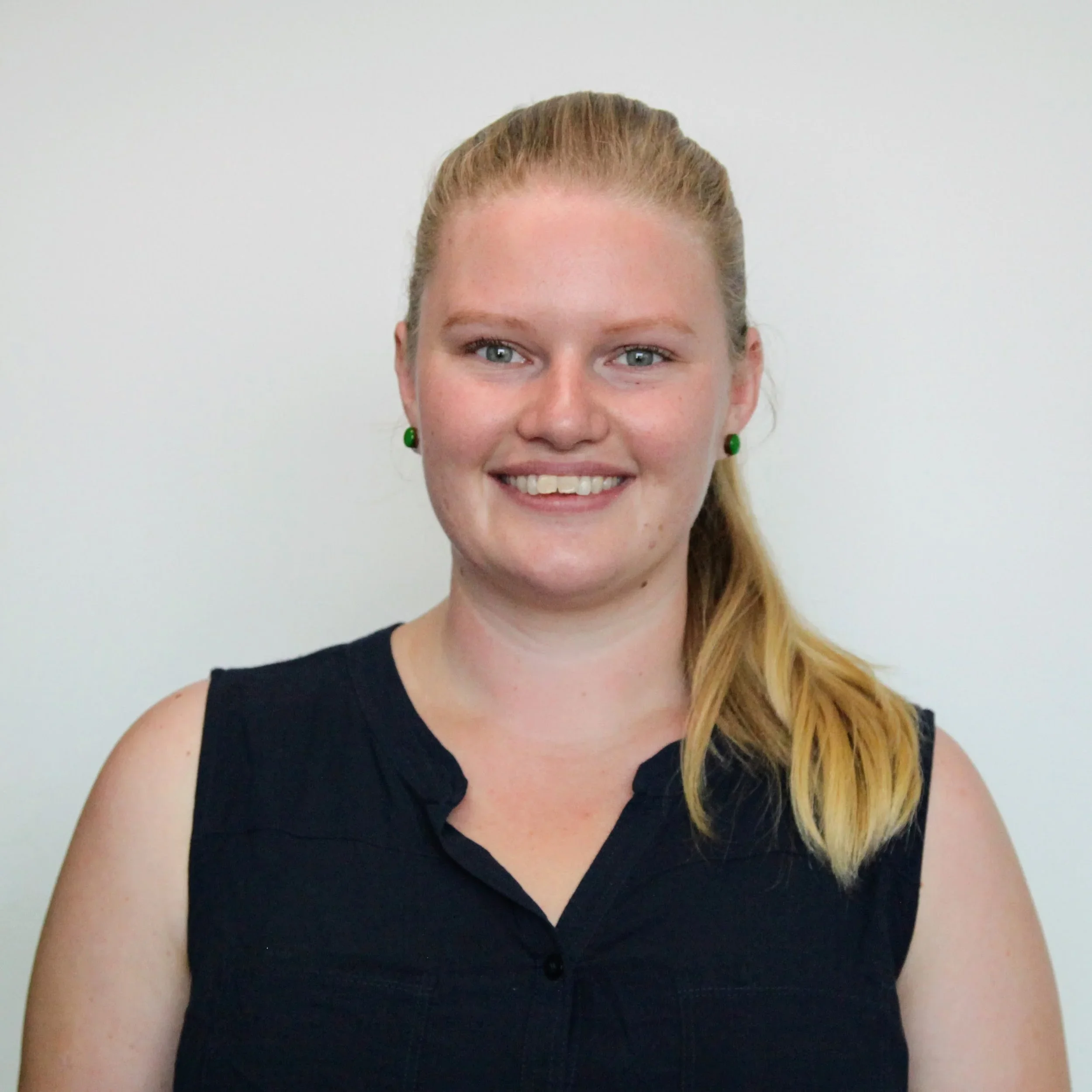
I am a postdoctoral scientist in the Microbiota and Systems Biology Laboratory within the Centre for Innate Immunity and Infectious Diseases at Hudson Institute. I completed my PhD with A/Prof John Boyce at Monash University where I studied small RNA regulation within the Gram-negative bacterial pathogen Pasteurella multocida. Since 2019, I have been working on developing microbiological, genomic and sequencing methods to characterise the movement of antimicrobial resistance genes between bacteria that inhabit the human gut.
Dr Emily Gulliver
Organisation: Hudson Institute of Medical Research
Email: emily.gulliver@hudson.org.au
Twitter: @DrEmilyGulliver

Associate Professor Priscilla Johanesen is the Associate Dean for Research Training at the Faculty of Medicine, Nursing, and Health Sciences at Monash University. She has a long involvement in supporting early career researchers, including playing a lead role in the development of a skills-based approach for the Monash doctoral training program.
A/Prof Priscilla Johanesen
Organisation: Biomedicine Discovery Institute, Monash University
Email: priscilla.johanesen@monash.edu

I am a Medical Laboratory Scientist at The Alfred Hospital in the bacteriology lab. I have worked in microbiology for the past 5 years and have loved finding rare and interesting pathogens. I first became involved in the ASM when I nervously presented a case of Microsporidosis at “News from the Hospitals” a few years ago, to which I won a one year membership to ASM. I have been an ASM Victorian Branch Committee member since 2019, and lookg forward to bringing you more exciting clinical based case studies, talks and workshops.
Louise Miles
Organisation: Alfred Health
Email: lo.miles@alfred.org.au
Twitter: @LouSmilesMiles
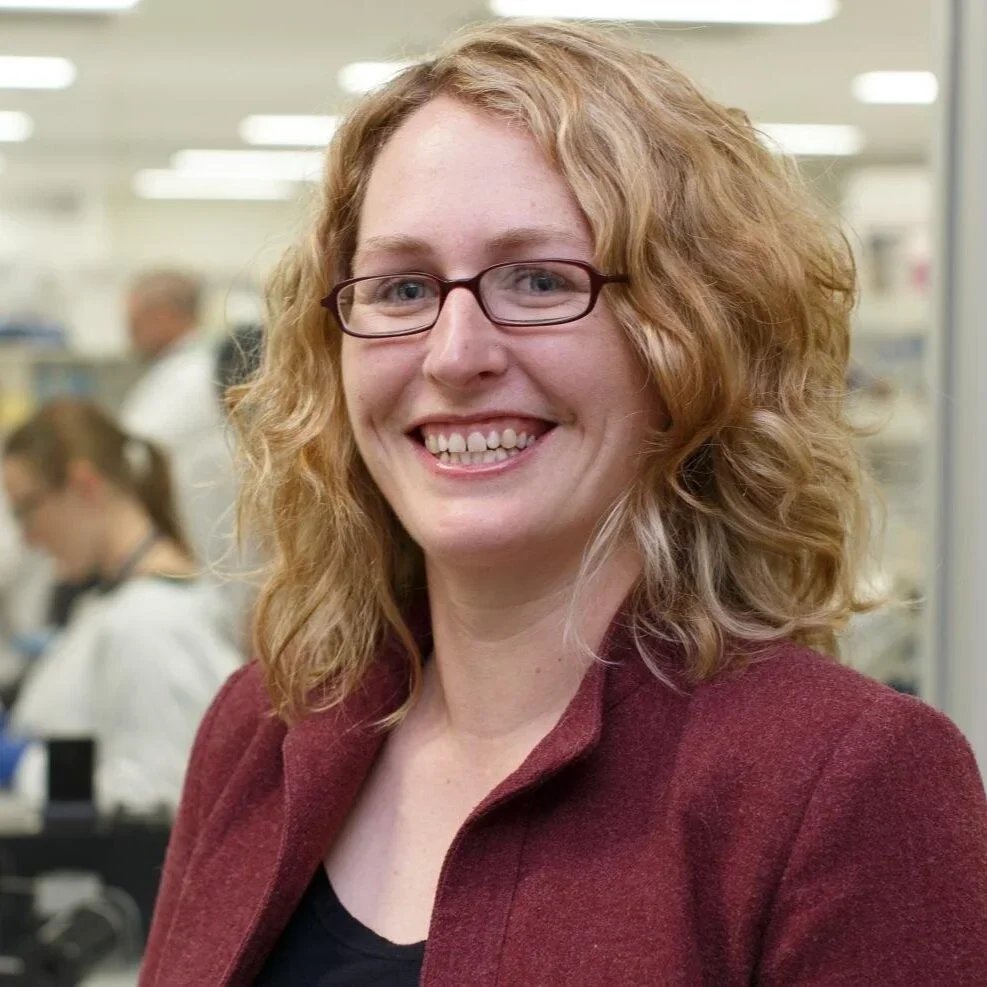
I discovered the hidden world of microbes at high school and have loved microbiology ever since. I have been a member of ASM for nearly 20 years (!), having joined as an Honours student in the Robins-Browne laboratory. ASM has supported my professional development as a student, ECR and now leader of my own laboratory. I am delighted to be the Chair of ASM Vic Branch, and look forward to serving you and the other members of our Branch.
My lab is based at the Murdoch Children’s Research Institute in Melbourne, and I also hold honorary appointments with The University of Melbourne. Our research focuses on pneumococcal microbiology; examining the impact of pneumococcal vaccines in low-income settings to support global vaccination strategies. We are fortunate to partner with microbiologists, clinicians, epidemiologists, and immunologists from both high and low-income settings; collaboration is one of the most enjoyable parts of my job! I recently co-chaired the International Symposium on Pneumococci and Pneumococcal Diseases, attracting over 1100 delegates from 85 countries. Our research is supported by national and international funders, including the Bill and Melinda Gates Foundation, and by fellowships from the NHMRC and veski.
A/Prof Catherine Satzke
Organisation: Murdoch Children’s Research Institute
Email: catherine.satzke@mcri.edu.au
Twitter: @CSatzke